
In the UK we have a massive obesity problem in our equine population so laminitis is sadly a common occurrence for us equine vets. With the recent hot weather followed by a deluge of rain we are sadly expecting to see even more cases as the next flush of grass comes through.
EquiTeam spoke to Loch Leven Equine Practice to find out more.
So what can you as owners do?
1. Educate yourself
First and foremost learn more about laminitis… BUT make sure you are reading from a reputable source that uses evidence based medicine to back up what they are saying. Your own equine vet/practice is a good first port of call and will always be willing to help and educate. Avoid Dr Google and definitely avoid the majority of online forums!
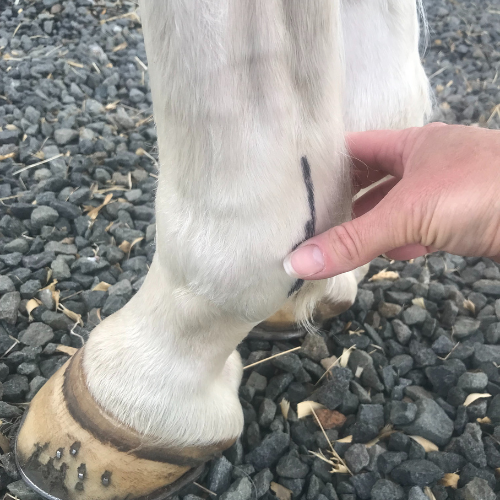
2. Know and recognise the signs of laminitis
The main clinical signs of laminitis are pain and lameness but these signs will range in severity from case to case. Some of the clinical signs noted below may be seen with other causes of foot lameness, however if you note any of the symptoms below you should contact your vet for advice.
- Shortened stride length especially on hard rough ground
- Reluctance to turn – check out EquiTeam’s video on how to trot up your horse
- Stiff gait – walking on heels
- Increased hoof heat
- Bounding digital pulses – EquiTeam have a great video on checking for digital pulses
- Reluctance or refusal to move
- Lying down unable to get up
- Pain on solar pressure
- Abnormal stance
- Signs of Pain: increased heart and respiratory rate, sweating, nostril flaring.
- Colic type behaviour due to pain
3. Be honest with yourself if your horse is overweight
Rates of obesity in our equine population is now so common it is becoming accepted as the norm. Research suggests that in some populations up to 70% of horse and ponies may obese. What is worse is that some owners can’t recognise when their horse is obese because it is so common and when they see a fit, healthy horse it looks too thin!
If you know you struggle to be objective about your horse’s weight ask your vet for help and advice. Lots of equine practices now have portable weigh scales and they will be able to help you make a plan and support you with that.
The different types of laminitis
There are three main causes of laminitis; metabolic abnormalities, limb overloading or inflammatory syndromes.
Overload Laminitis:
This occurs when a severe non weight-bearing lameness (e.g. fracture or septic joint) can cause laminitis in the other supporting limb. It’s really important to monitor the supporting limb and apply foot supports if necessary.
Inflammatory Laminitis:
Laminitis can be caused by inflammatory diseases such as colitis (colon inflammation), pleuropnemonia, retained placenta after birth or as a consequence of your horse getting into the feed room and helping themselves to hard feed. In all of these situations toxins get into the blood which have far reaching effects in the lamellae in the hoof and can result in laminitis.
Endocrine Laminitis:
It is currently thought that around 90% of laminitis cases have an endocrine cause, either Cushing’s Disease or Equine Metabolic Syndrome (EMS)
Cushing’s Disease is disease usually associated with ageing, resulting in excessive secretion from part of the pituitary gland. The clinical signs of Cushing’s disease can vary but includes a long hair coat, delayed or abnormal shedding of coat, patchy sweating, loss of muscle mass, and drinking and urinating excessively.Some of the hormones produced in excess in Cushing’s disease predispose your horse to laminitis.
Equine Metabolic Syndrome (EMS) tends to occur in genetically predisposed breeds (especially native ponies and cobs). EMS is worsened by obesity resulting in abnormal processing of dietary carbohydrate and excessive levels of insulin (Hyperinsulinaemia), which can predispose to laminitis.
It is important to distinguish between the different types of laminitis, as the treatments are very different.
Emergency Treatment of Laminitis
Seek veterinary attention in order to investigate cause of laminitis and to provide immediate and on-going pain relief
Put them on box rest with a deep, supportive bedding e.g. shavings or sand
Support feet with Styrofoam pads or impression compound – this should be done by your vet to make sure the pedal bone is supported correctly
Consider long acting nerve blocks to affected feet
Management of laminitis
How you manage the acute stage of laminitis will massively impact your horse’s recovery. Laminitis is a medical emergency and should be treated like one so please always call your vet.
- It’s important to diagnose the cause of laminitis (e.g. Insulin, glucose and ACTH blood tests)
- Start the appropriate treatment once you know the cause. This may include Prascend for Cushing’s Disease or Metformin for EMS. There are also other drugs now available to help with rapid weight loss
- Manage their diet appropriately. Weigh and soak hay as advised by your vet. They will probably need a low calorie diet… hay with <10% non-structural carbohydrate content, a protein balancer and vitamin and mineral supplement
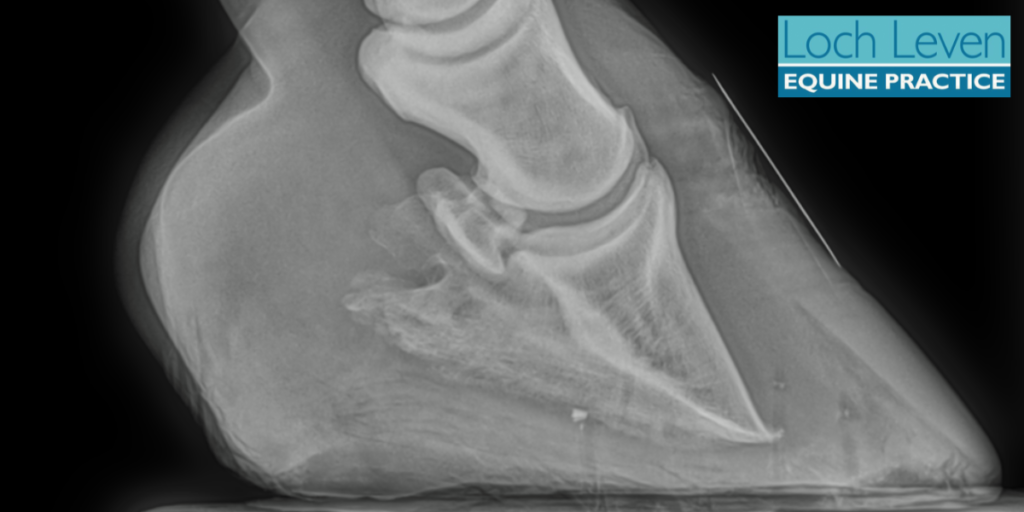
- Foot x-rays are really useful to assess position of the pedal bone. If there has been some rotation or sinking of the pedal bone this may impact both the treatment and the long term prognosis
- Involve your farrier – as vets we prefer to provide a team approach and work with your farrier. Your horse may need remedial farriery to support the pedal bone within the foot.
- Continue box rest until your vet is happy for you to start introducing turnout. It can be costly, stressful and hard work having a horse on box rest but you really are doing the right thing for them even if it doesn’t always feel like it. Box rest allows the lamellar bond to gain strength and help prevent the development of chronic laminitis.
Preventing laminitis
Ensuring your horse is not overweight will reduce the risk of laminitis. Assess and record your horse’s body condition every two weeks – this allows you to make dietary, grazing & management changes before problems develop.
Your vet can help you body condition score your horse at routine health checks and give advice on weight management.
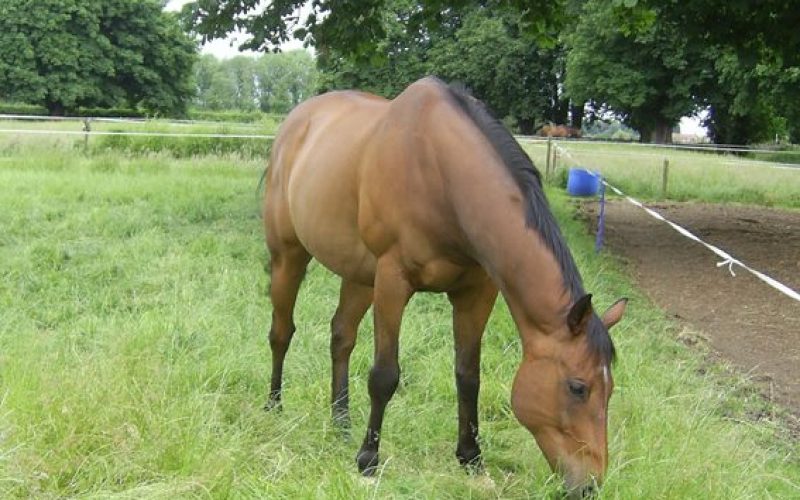
Scientific studies show that horses and ponies in regular exercise are at a reduced risk of laminitis. Whilst hacking is ideal, if you are short on time research shows that lunging four-five times a week for 15-20 minutes, so that the horses heart rate is elevated to 120 beats per minute, will have a positive effect on their carbohydrate metabolism, reducing insulin levels and therefore reducing the risk of laminitis.
If you have any concerns please speak to your vet, the sooner laminitis is treated the healthier the prognosis.