This time of year usually signals the start of less turnout for our horses, changes to their diets and quite often more cases of colic for our vets.
As the grass slows down growing and we start bringing the horses in at night for the winter, they spend less time eating grass and more time stood in their stables eating hay or haylage, which has a lower water content than grass.
We also tend to ride less because of the shorter days and the horrible weather so our horses do less exercise. Even when they are out in the field, in horrible weather they can spend less time moving and more time standing still.
Less water in their diet and less movement causes the gut to slow down and that results in the ingested food building up and become firm, new food can’t pass through, and so we get an even bigger build up.
What are the signs?
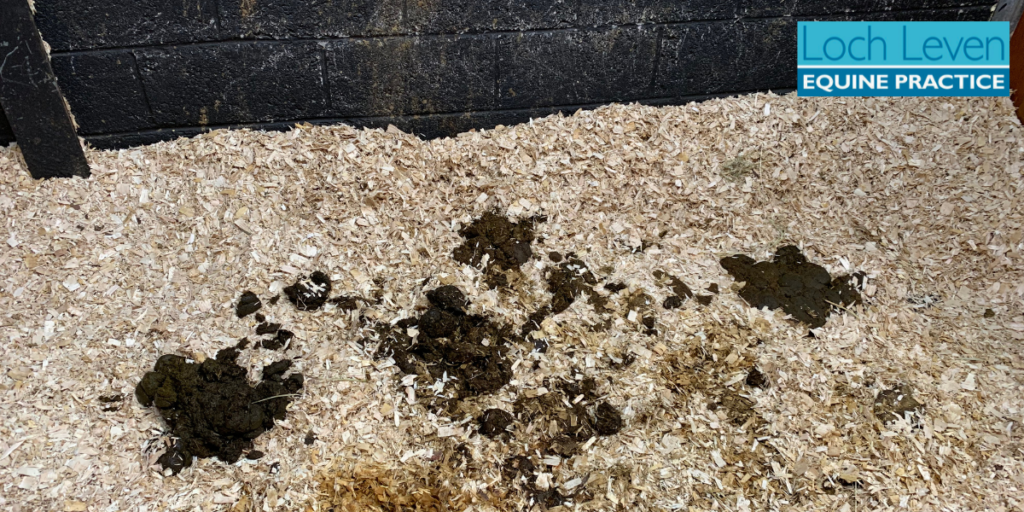
It’s important to remember that your horse may not be acutely painful in the early stages of an impaction. One of the first signs is their droppings will become drier, smaller and harder, or they may simply stop passing faeces at all. Sometimes they may just be a bit quiet and off their food. However, they may still be eating quite happily so don’t ignore other symptoms if they are still eating.
Signs of low-grade pain can also include lip curly and yawning as well as looking like they are trying to pee. They may be a bit grumbly, pawing and rolling but they don’t usually become violently painful unless they start to get a build-up of gas around the impaction.

I think my horse has an impaction?
- Always call your vet – it is unlikely that they will be able to clear the impaction without additional fluids and drugs.
- Remove all food even if they are still telling you they are hungry! – you do not want to add in extra food to the impaction.
- If they are on a straw bed, take them off the straw. Either put them in a stable with shavings or in the arena until your vet arrives
To walk or not to walk?
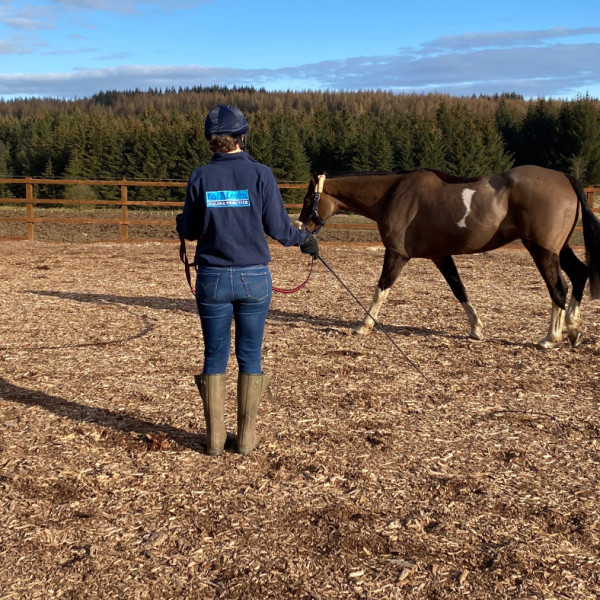
Exercise for impactions is generally recommended to try and get the gut moving. However, there are a couple of conditions attached to this:
- Only walk them if it is safe to do so – if they are becoming increasingly painful and you can’t keep them up, remember your safety always come first.
- Once your vet has seen them and given them some pain relief, they may recommend some gentle lunging. Do not lunge them until they are exhausted. There’s a fine line between getting the guts moving again and making them more exhausted and painful.
How can you prevent impactions?
- Make any changes to their feeding or routine gradually.
- Add extra water to their hard feed or use a mash. There are some excellent mashes on the market to help you get plenty of fluids into them.
- Soak their hay. This is a great way to increase their water content and helps reduce any dust or allergens that may cause respiratory problems.
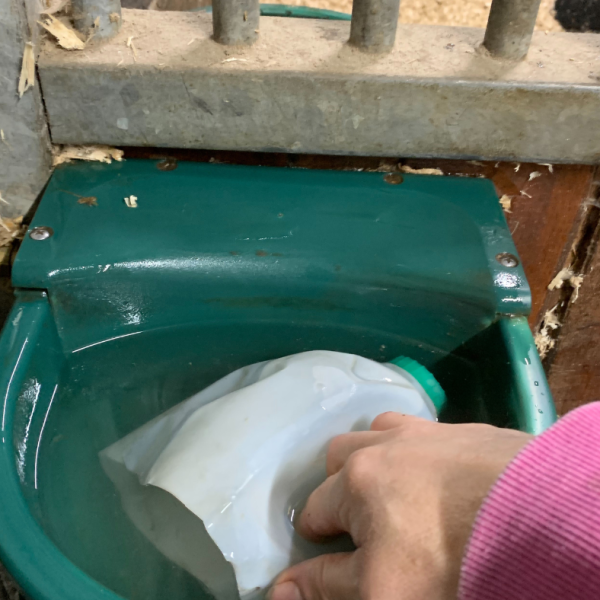
- Make sure they have access to clean, fresh water 24 hours a day. In the colder weather make sure their water in the fields isn’t frozen over. You can also add apples and carrots to their water buckets to encourage them to drink.
- Get them out in the field as much as possible, even when it is wet and windy. Unlike us, most of them would still prefer to be outside!
- Exercise them – even if that is hand walking or lunging, movement is key.
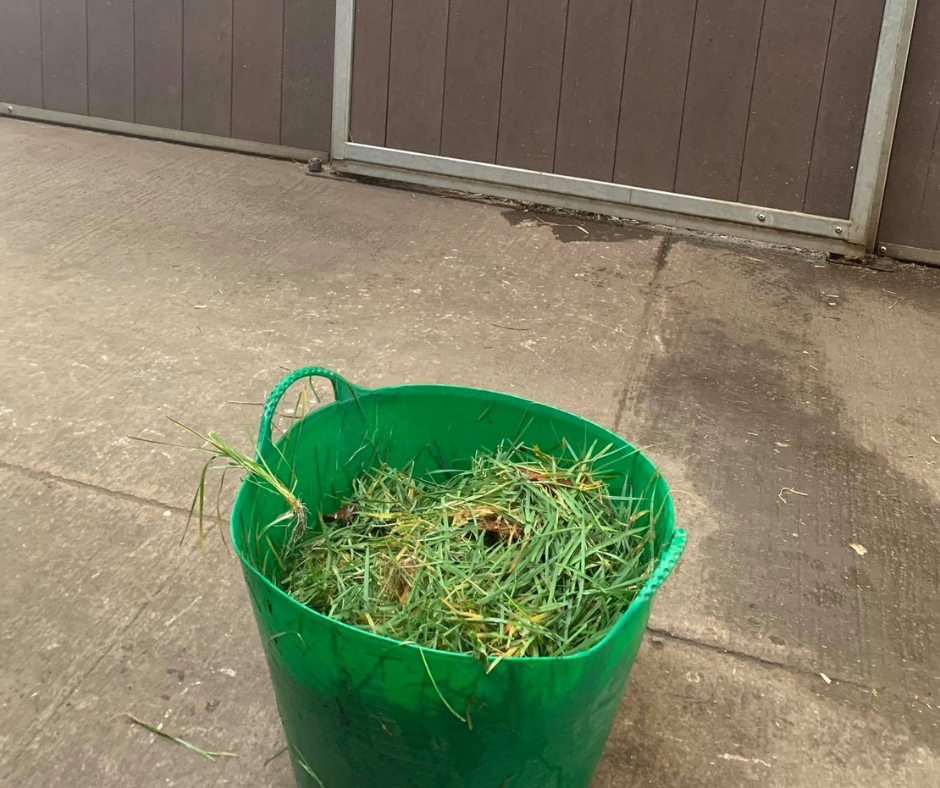
- If you have had to suddenly change their routine due to injury, hand pick them fresh grass. All of our patients at Loch Leven get buckets of hand-picked grass and it significantly reduces the risk of impactions.
- If they are on box rest, substitute some of their hay for a high fibre mash. They can have these throughout the day at regular intervals.
- KNOW WHAT IS NORMAL FOR YOUR HORSE – This one is really important! If they suddenly only have two poos in the stable in the morning and there is usually eight, this is an indication the gut is slowing down.
As always, if in doubt give your vet a call, they would much rather speak to you to decide if you need a visit than wait until it’s too late. It’s very common for us to be called to go and see a colic and be told that the horse hasn’t been ‘quite right’ for a couple of days! Caught early impactions can be easily managed so don’t delay that phone call.