It’s that time of year where we see an increase in the movement of horses throughout the UK, but buying a horse can be a nerve wracking time for all.
The last time I bought a horse I remember being so excited… for approximately two days. And then it felt like a nightmare with adverts describing a different horse to the one you looked at, dishonesty, lameness and/or other underlying issues, unsuitability for the job and the list goes on!
Read our handy guide to buying a horse.
Lockdown saw horse prices shoot through the roof, and the price of horses could have its own blog – so before you start even thinking about which horse to buy, you need to set a realistic budget.
By realistic we mean – realistically affordable for your personal circumstances and realistic in your expectations for the current market.
Remember to factor in your own travel expenses; pre purchase examinations (vettings) – a five stage vetting will cost a minimum of £250 and if you have three of four failed vetting attempts you can easily add another £1k to your budget; horse transport; tack and rugs; and very importantly – support from coaches so that your new journey can start in the most positive way possible.
My advice; have a budget in mind – take a couple thousand off to account for the above and don’t move from your budget!
I often get asked how much someone should spend – which is an easy question to answer when it is not your money!
The answer is in fact above, and then do some research. To find out if your budget is realistic have a look on horse selling sites and reputable Facebook groups. Keep in mind that if it sounds too good to be true then it probably is!
Next, write a list of all the qualities you would like in a horse. This can be everything from hacking alone safely, to jumping an 80cm course, loads/travels well – whatever it is you would like – write it down. This will act as a guide when looking for horses because when searching through adverts you need to become as ruthless as a second hand car salesman.
Highlight the qualities that you don’t want to compromise on as this is a really good place to start..
Be realistic
I’d love to point you to the blog, Right Horse – Wrong Time. This is well worth a read before your search.
I see it all too often where people have bought their ‘dream horse’ because they look flashy, can jump 1.20m, have a successful BE record and BS winnings and the horse is doing what they aspire to do in a few years time.
I’m not saying that this can’t work, and I have been proved wrong by a lovely EquiTeam Camper of ours who did just that – but this situation is so rare and is very dependent on the personality of the horse and the tenacity/skill of the rider.
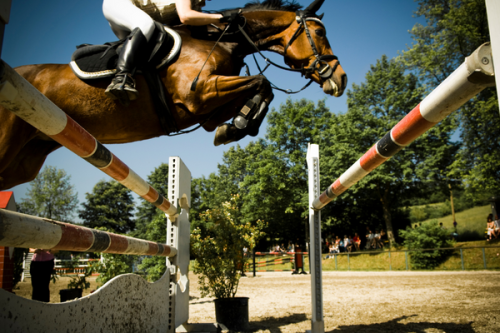
Being over-horsed is the biggest killer of confidence and ultimately stops you from enjoying your hobby. You might think that your new horse looks lovely floating across the fields – but if you don’t want to get on because you’re scared of the power, then it’s not money well spent!
Most (not all) will step down a few levels which is great for giving the rider the experience and confidence to build up – but most horses will not step down from 1.20m tracks to cross poles without having an opinion about it.
It’s not that they are doing anything naughty, but performance horses have been bred, and schooled to perform.
If you are looking for a confidence builder then look at it the other way – look for something which someone is selling because they have grown their confidence so much that they now want to go further/jump bigger than the horse is capable. They are the gems in the rough and the diamonds that are worth their weight in gold.
Where to look
Word of mouth is undoubtedly the most reliable source of horse hunting. Give your coach, your horsey friends, their coaches, contacts in the local Riding Club etc a concise version of what you are looking for. Quite often people know of horses and in my own experience this has by far resulted in a higher chance of matching successful combinations.
Sales sites such as HorseMart, HorseQuest and Horse & Hound are a great place to get an idea of what is on the market, and my advice would be to browse for a few days before getting too excited. This gives you a better idea of what is available and what is ticking the boxes.
Facebook groups can prove valuable, especially if it’s a friend of a friend who is selling their horse – but remember that these are free, unregulated and you have zero come back.
Whilst dealers traditionally come with a bad reputation, keep in mind that there are also some reputable dealers who value their customers and their horses – so do your research. We don’t mean by putting posts on social media which open up to a lot of bad mouthing – instead quietly ask around and spend time looking at their reviews and posts.
In a completely different market to the one most of us operate in there are people who source and sell horses acting simply as the ‘middle man’. This is seen more frequently when prices equal that of a small mortgage for your horse, with the agent working off a percentage of the sale for commission/finders fee.
Reading adverts
Having worked at Horse Deals for many years in another life I can tell you that there is an art to writing and then reading adverts! I could make a donkey sound like a Badminton eventer with the clever use of a few words and so can a lot of sellers out there!
Instead of what is written – read what isn’t written.
Making contact
When making contact with the seller don’t message – phone. You’ll get a much clearer idea of how things roll off their tongue, if you trust them (this is important), and get to ask more questions.
Ask for videos (and for that to include a trotting video to see for lameness), any performance records if applicable (you can publically search BE and BD records without being a member so you’ll need the horse’s passport name to do this. Unless you are a BS member you won’t be able to view previous records so ask for a screen shot).
Have a clear list of questions based on what qualities you were looking for and be direct!
For example, you might want to ask if the horse goes out without a fuss on their own with any rider, what traits do they have, does ‘good to travel’ mean in a trailer, a 3.5tonne or a horse box, and does this also mean good to load?
How long have they had the horse? How was the horse when they first had them in terms of settling in? Why are they selling? What work is the horse currently in? The temperament of the horse can be affected by fitness levels, especially under the saddle.
Be honest about your own experience levels as well – no one knows the horse better than the owner so be honest so as not to waste everyone’s time.
Write down the answers so you have them to refer back to.
Remember that there will also be compromises as no horse is perfect – but refer back to the list you made - what compromises are you happy to make?
Ask for advice
Before you commit to going and looking at a horse, ask your coach, or select an experienced friend for their advice. Most coaches will be happy to have a look at the advert and some videos for you, but keep in mind that if you would like them to view the horse with you then you should probably pay for their time.
A good tip is to view the horse the first time with a friend who can take videos, and ask a coach to go back with you for a second viewing if think they are suitable.
Join us for our next blog where we will look at the viewing; what to ask, what to expect and what to do.