Thank you to Ann McKillop from First Aid Training Cooperative for sharing advice on hypothermia.
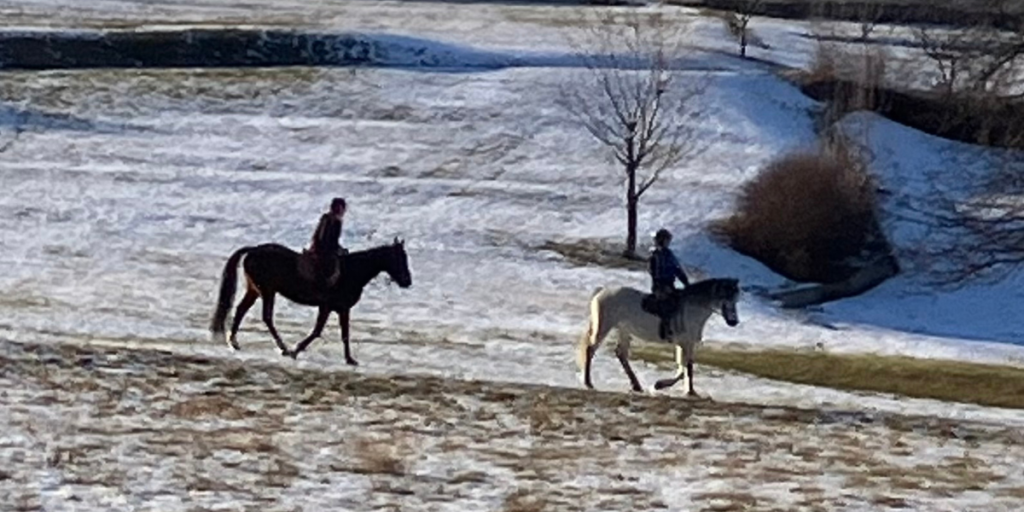
When working with horses everyone understands there is a certain risk involved. As equestrians we expose ourselves to the elements day in and day out, blistering heat in the summer and freezing temperatures in the winter. But how often do we stop and think of the consequences of prolonged cold exposure? Would you know what to do if the elements took hold and got the better of you?
We should all know how to spot and quickly treat the problems caused by extreme cold.
What should we know about first aid for hypothermia:
1. Vulnerability
Due to prolonged time spent outside in cold conditions equestrians are vulnerable to hypothermia, a condition where someone’s body temperature drops below 35°C (normal body temperature is around 37°C).
2. Signs and symptoms of hypothermia
Signs and symptoms of hypothermia are easy to spot and include:
- Shivering;
- cold, pale and dry skin;
- confusion or headache;
- slow, shallow breathing;
- tiredness;
- irrational behaviour;
- difficulty in doing minor motor skills such as zips or straps;
- a slow and weakening pulse.
3. What to do if someone is hypothermic?
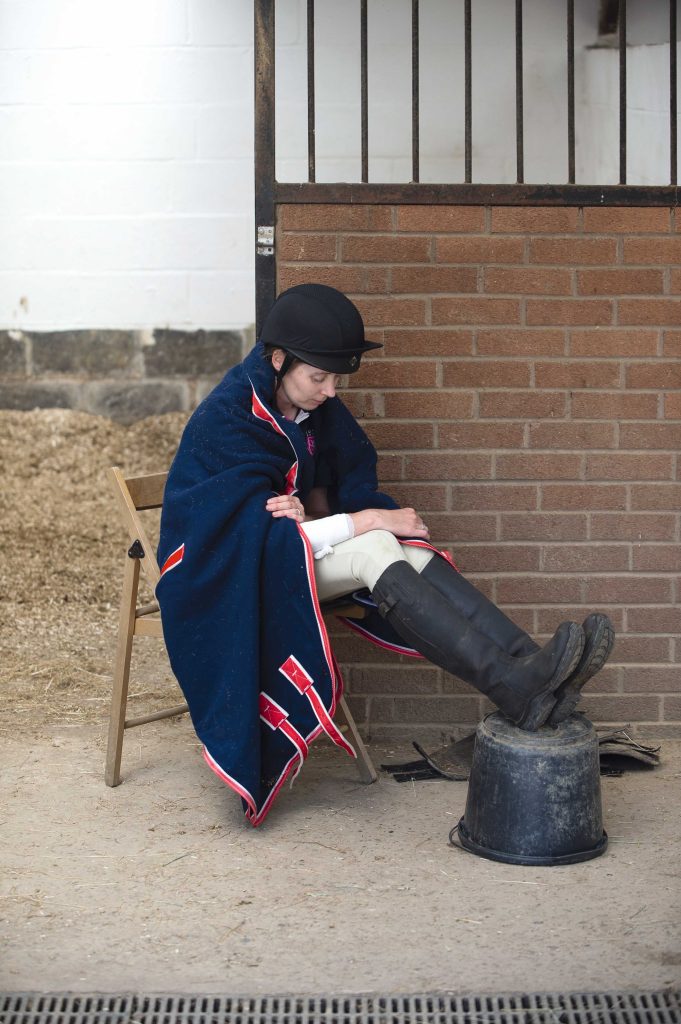
What to do – if you fear someone is becoming hypothermic it is vital to get them inside as quickly as possible. Warm them up using layers of blankets and heating the room to around 25°C.
Feed them high energy food like flapjacks or chocolate and a hot (non-caffeinated) drink such as hot chocolate or soup. Food is fuel and will help warm them from the inside.
4. Children
Children are particularly susceptible to hypothermia because they are less able to regulate their internal temperature as a result of their body’s smaller surface area, smaller amounts of subcutaneous fat and a not-yet-fully-developed ability to shiver. They may claim to not be feeling the cold as they are naturally so active that their bodies are usually generating enough heat to keep the feeling warm. They don’t notice they are getting very very cold until it is in a state of hypothermia.
5. Riding conditions and the environment
Riding conditions and the environment can quickly accelerate the onset of hypothermia. Beach rides are great but remember that the average sea temperature around the UK rarely goes above 17 degrees which is 20 degrees lower than our normal body temperature. Prolonged cold water exposure, wind chill factors and going for a swim with your horse are all factors that should all be considered when heading to the beach.
6. Life threatening
If not recognised, hypothermia can quickly become life threatening and severe hypothermia is when the body temperature falls below 30°C and is often fatal. At this point casualties will be unconscious or near unconsciousness.
7. When to dial 999
Stuck outside? If the person is outside and you are unable to bring them in you must act fast, ring 999/112 and ask for an ambulance.
8. Keep them and yourself warm
While you wait, stay with the patient and get them off the cold floor or ground in any way possible onto a rug, mat or straw and cover them with a foil blanket. Keep talking to your casualty and monitor their pulse, breathing and responsiveness until medical help arrives. Make sure you keep warm too!
9. Be prepared
Be prepared with adequate kit. Ensure you have foil blankets inside or near your first aid kit. Foil blankets reflect the casualty’s body warmth back to them. If the person is already hypothermic, they may have nothing to reflect back. Have blankets nearby for human use only as well as high energy snacks or drinks.
Understanding hypothermia – online course
We provide a 3hr online Understanding Hypothermia course which covers land as well as water based sports. In it you’ll learn about how our bodies respond to short or long spells in cold environments.
Our Equestrian Specific Accident book
Our Equestrian Incident Report Book is specifically designed for use in Equestrian settings. In many (most?!) equestrian venues, pen and paper still reign supreme, so we’ve re-thought the standard incident report book to make it as relevant and simple to use as possible.
Find out more about what’s in our equestrian specific accident book here or you can view and buy it in our online shop here.
Get confident – get trained!
Medi-K and the First Aid Training Cooperative offer a wide range of first aid courses designed especially for equestrians, yard owners and grooms of all levels which will ensure you are prepared for all weather-related situations. To find out which first aid course is best for you check out our specific equestrian first aid webpage.
.